Crossing the Atlantic Ocean is a journey that requires thoughtful preparation, great courage, and exceptional mental fortitude. With the right captain, crew, and weather, however, it can be a very rewarding experience. In this blog, I answer your most burning questions about the trans-Atlantic voyage.
1. How long does it take?

Crossing the Atlantic takes about a month, but it’s recommended to stop in the Azores islands after week three to refill the rum casks, ransom captives, and air out squabbles among the crew.
2. Do I need any previous qualifications?

Crewing across the Atlantic requires competence in the following areas:
- Staring into the sun
- Bellowing sea shanties
- Directing your vomit downwind
- Pretending you know what you’re doing with a rope
3. How do I find a boat?

There are various Facebook groups dedicated to hitchhiking on boats. Just don’t respond to any DMs from a tentacle-bearded captain named Davy Jones unless you want to be crew for a really long time.
4. How do I stand out from other crew candidates?

During your interview with the skipper, it’s a good idea to demonstrate your commitment to the crew by slicing open one palm, grabbing a fistful of shillings, and muttering the 11th century Norse incantation Oddrúnargrátr.
5. How do I choose who to go with?
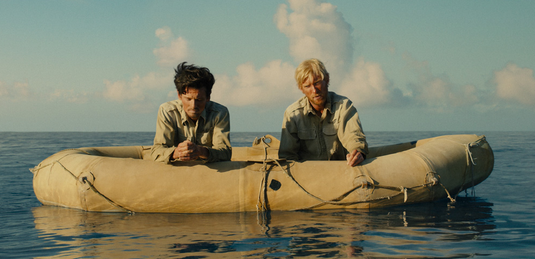
As a rule of thumb, don’t sail with anyone you wouldn’t cannibalize on a life raft.
6. Is it dangerous?

One month without WiFi or happy hours can be extremely treacherous. Withdrawal symptoms include boredom, drowsiness, self-reflection, and picking up a book for once in your life. Such suffering can be momentarily dispelled by climbing the mast or pondering the pristine night sky.
7. What do I need to bring?

These days, most captains expect crew to bring their own cutlass, equatorial sundial, and scurvy limes.
8. How do I pass the time?
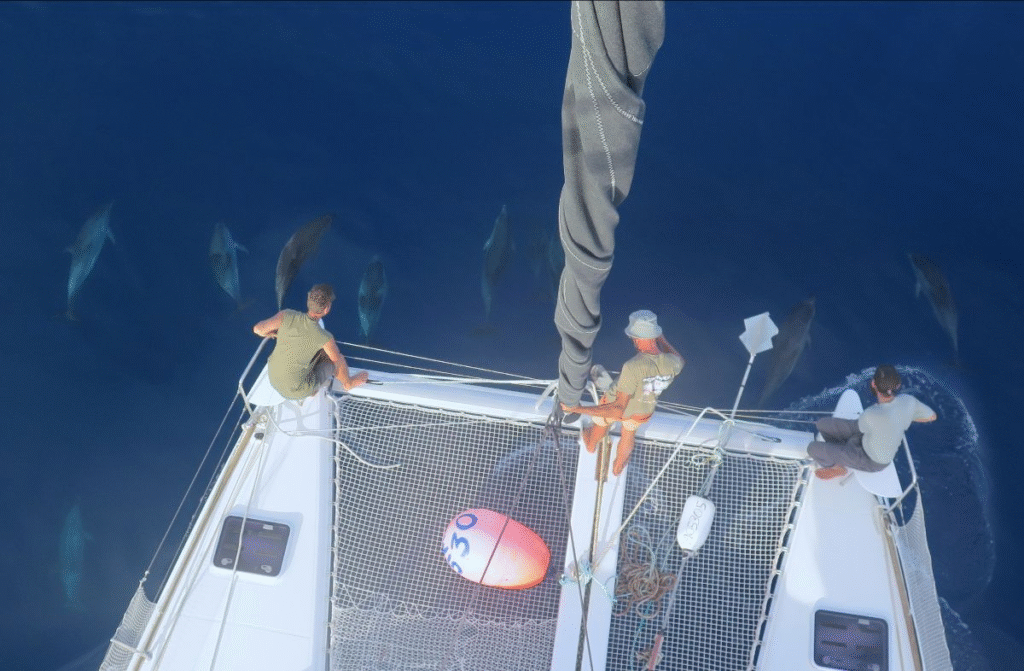
Endurance thumb twiddling and making friends with the dolphins!
9. What do I do if a storm comes?
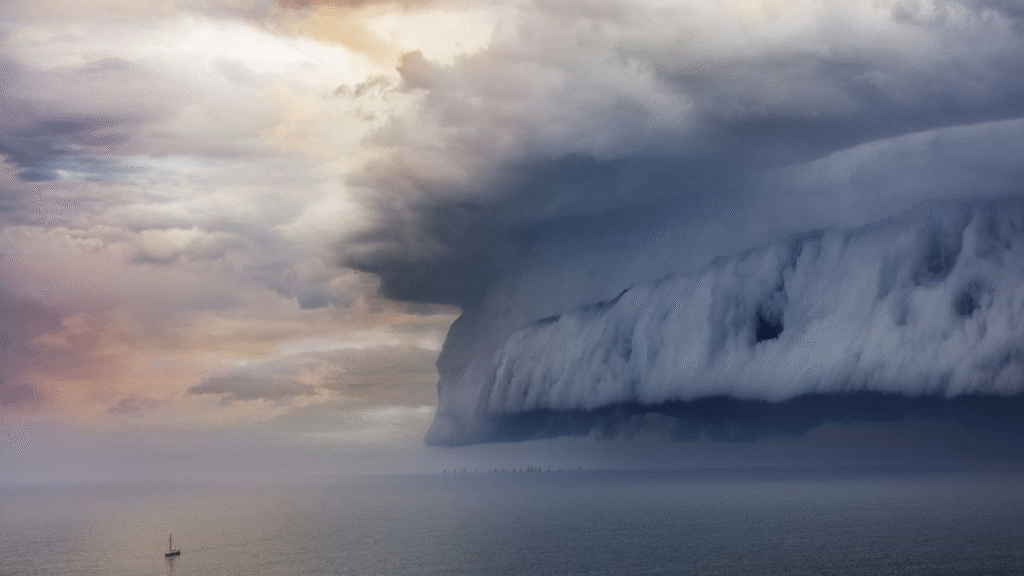
If you are approached by a storm, it is advisable to keep your eyes down, increase your pace, and cross to the other side of the street. If the storm continues pursuit, you’re in for a treat: hauling lines while broaching in pissing rain should put some hair on your chest!
10. Are we there yet?

No, go back to sleep.
11. How do I navigate at night?
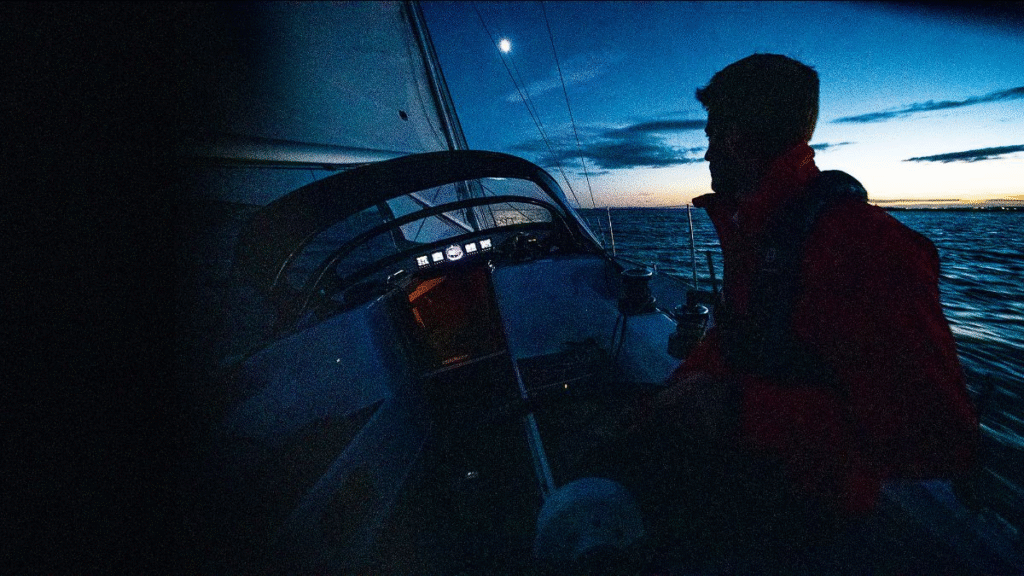
Sailing by night requires a complex knowledge of the stars, weather patterns, and the big red AUTOPILOT button on the digital interface.
12. How do I know which is the North Star?

Polaris is easily identifiable as the one directly aligned with the “N” on your compass app.
13. How deep is the Atlantic?

Deep, man. Like, really deep.
14. What’s on the ocean floor, anyways?

Where? Oh, down there? Nothing. Nothing at all, for sure. Just a bunch of boring stuff. Move along.
15. How’s the water?

Skinny dipping in the Atlantic is no ordinary swim. After diving in, you surface on the same endless horizon you’ve been staring at for eighteen days, and are overcome by a sense of profound vulnerability. Looking down, you see your toes suspended 15,000 feet above the ocean floor, waiting to be caressingly nibbled by an animal with eight rows of teeth. Swimming below the surface sharpens your certainty that the sea is no place for a human being. Limbs, spine, skin, self: helplessly exposed. It is easy to forget how foreign water is to our bodies until we are at its mercy. If you calm your breath enough to swim further down, you are enveloped in a womb of blue, and the stillness is absolute. Flesh surrendered in a vast, silent fishbowl. Peace in the abyss.
“Man at sea is an insect on a splinter, now engulfed, now scared to death.”
– General ‘Amr ibn al-’As, conqueror of Egypt, 641AD.
16. What barks like a seal, bites like a shark, and just peed on the couch cushions again?

Sea dog!
17. Are we there yet?

I swear if you ask me that one more time I will pull this boat over.
18. When sailing goosewing on an asymmetrical spinnaker and fin keel, how do I transition to a broad reach while optimizing VMG and minimizing the risk of an accidental gybe?

Technically the answer depends on your heel angle, but in general, whoever asks you this should be thrown overboard.
19. Why are there bricks of baking soda in the hidden storage locker?

Those are the captain’s special gift for the Coast Guard, so don’t ruin the surprise!
20. What do I do with a drunken sailor?

Whatever you want, just don’t sober him up!
21. Haven’t you ever heard of flying?

It turns out that, if you’re in the market for adventure, colossal feats of aerospace engineering and internal combustion engines are still no match for millenia-old knowledge and a glorified raft.

Until next time,
Lucas