Earlier this month, I finished my first Ramadan in Tunisia. In honor of our Flourishing Multicultural World-Society, I wanted to share my reflections on the experience, as well as a cautionary tale for any uninitiated Westerner who has the opportunity to partake in the holy month. To recap, Ramadan is one lunar month during which Muslims do not eat food or drink water from the first daily prayer, which is well before dawn, until the sunset prayer (there’s also a lot of other special rules and rituals, but if you aren’t Muslim, they’re probably less important to the overall experience).
My general Ramadan strategy was as follows: first, sleep as late as possible. I moved my Arabic classes from 9 am to 11 am, which allowed me to stay out for events at night, while also minimizing the amount of time I was awake and fasting. Second, I decided to be as unproductive as possible. I was going to take it easy in class and not pursue any side projects unless I absolutely wanted to. This was a bit difficult for me, as I feel like the environment I was raised in praises and normalizes constant work and pursuing many projects at once. But I promised myself I wouldn’t feel guilty for just lazing around, and I think I did a pretty good job of it. Instead of my usual writing, studying, and going to the gym, I played obsessive amounts of chess, napped, and took a bath almost every day.
I was glad that I set my schedule up this way, because it allowed me to enjoy the best parts of Ramadan: breaking the fast (iftar) with friends and their families, staying out late in coffee shops, and attending various cultural events.
One “cultural event” stood out from the rest, not because of its connection to Tunisian heritage, but because it felt like a slice of Haight-Ashbury had been transplanted to the middle of North Africa. The event took place at Madrasa Slimania, a school constructed in 1754 by a regional Greek dynasty that ruled Tunisia under Ottoman authority (Ottoman bureaucracy is weird). When I walked in, I was greeted by a pop-up coffee shop immediately to my right. As I reflected on the inexplicable popularity of overpriced coffee in unnecessary places, I took in the rest of the room. The ceiling was intricately carved plaster, rimmed by Arabic calligraphy of the 99 names of Allah. But the floor was crowded with vintage clothes vendors, their stands overflowing with items that typically announce the arrival of gentrification to a historic California neighborhood. Leather jackets, pants with pockets in unreachable places, crocheted hats, an arts-and-crafts corner, electronics from bygone eras. Dickies and Carhartt for people who work on their computer. Shirts with enormous logos for people who hate logos. Baskets of stickers with slogans for people who hate slogans. The place yearned, like all the neighborhoods in my home state that thrive on the commercialization of coolness, to return to an era before coolness was commercialized.
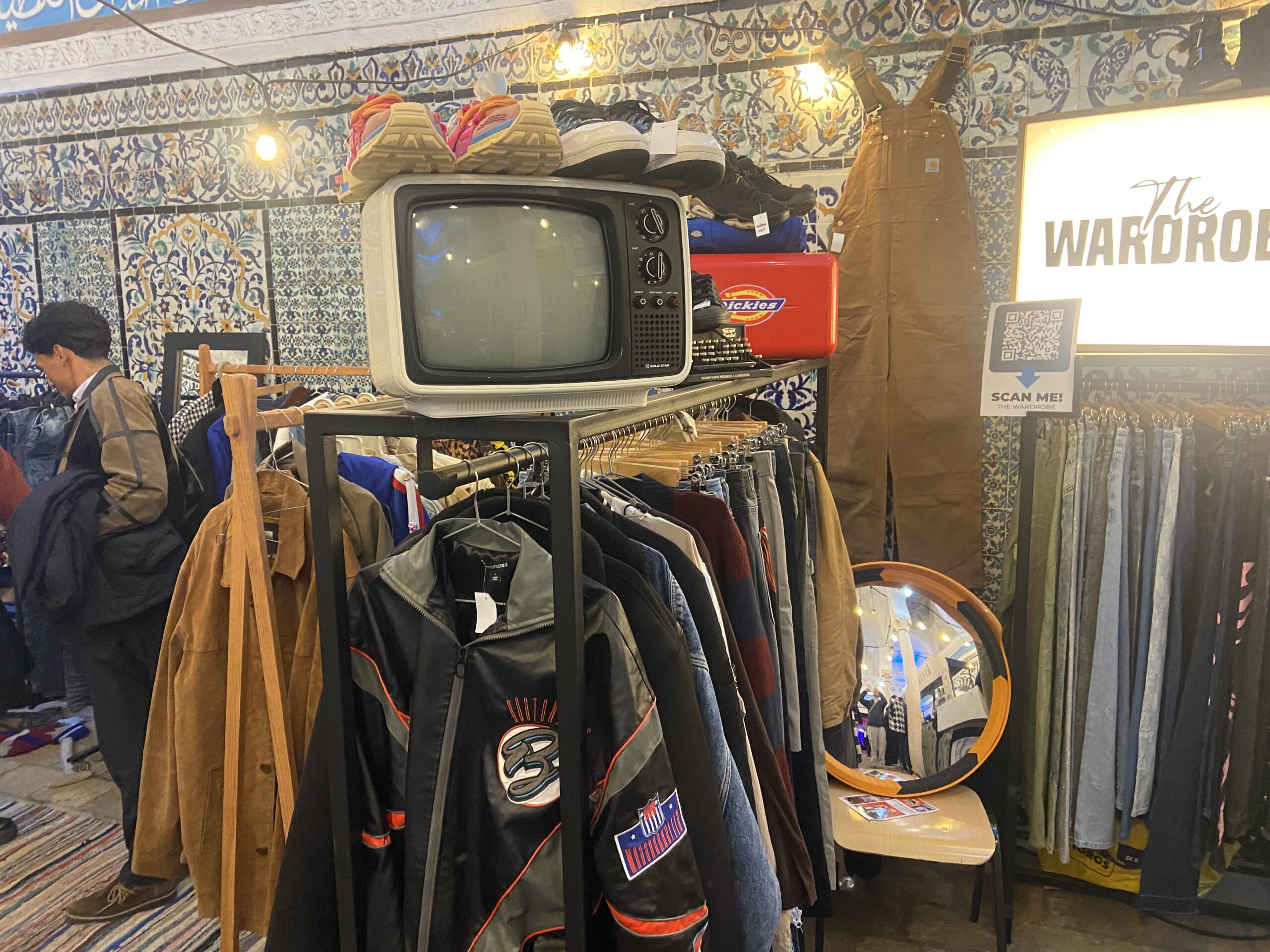
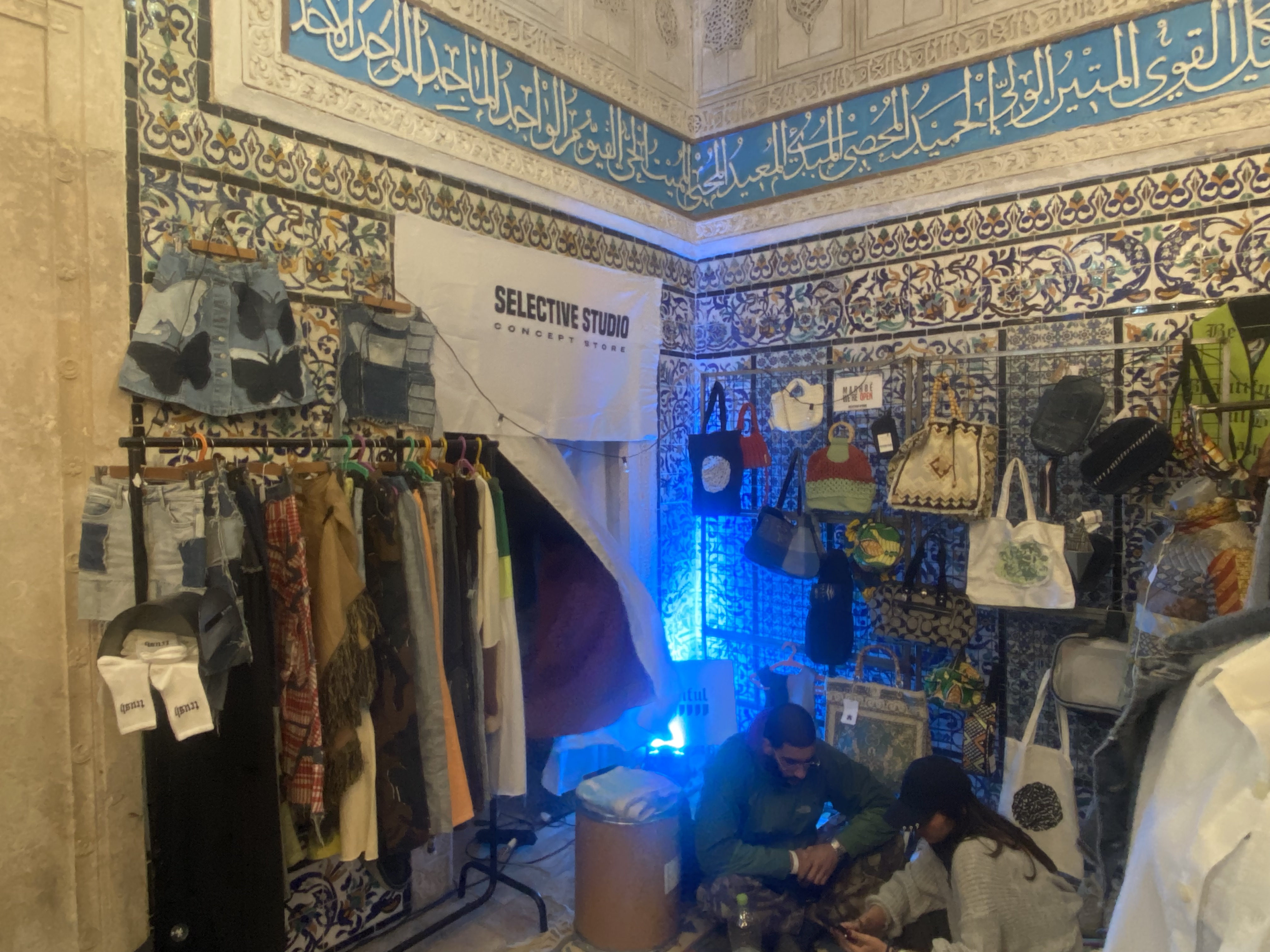
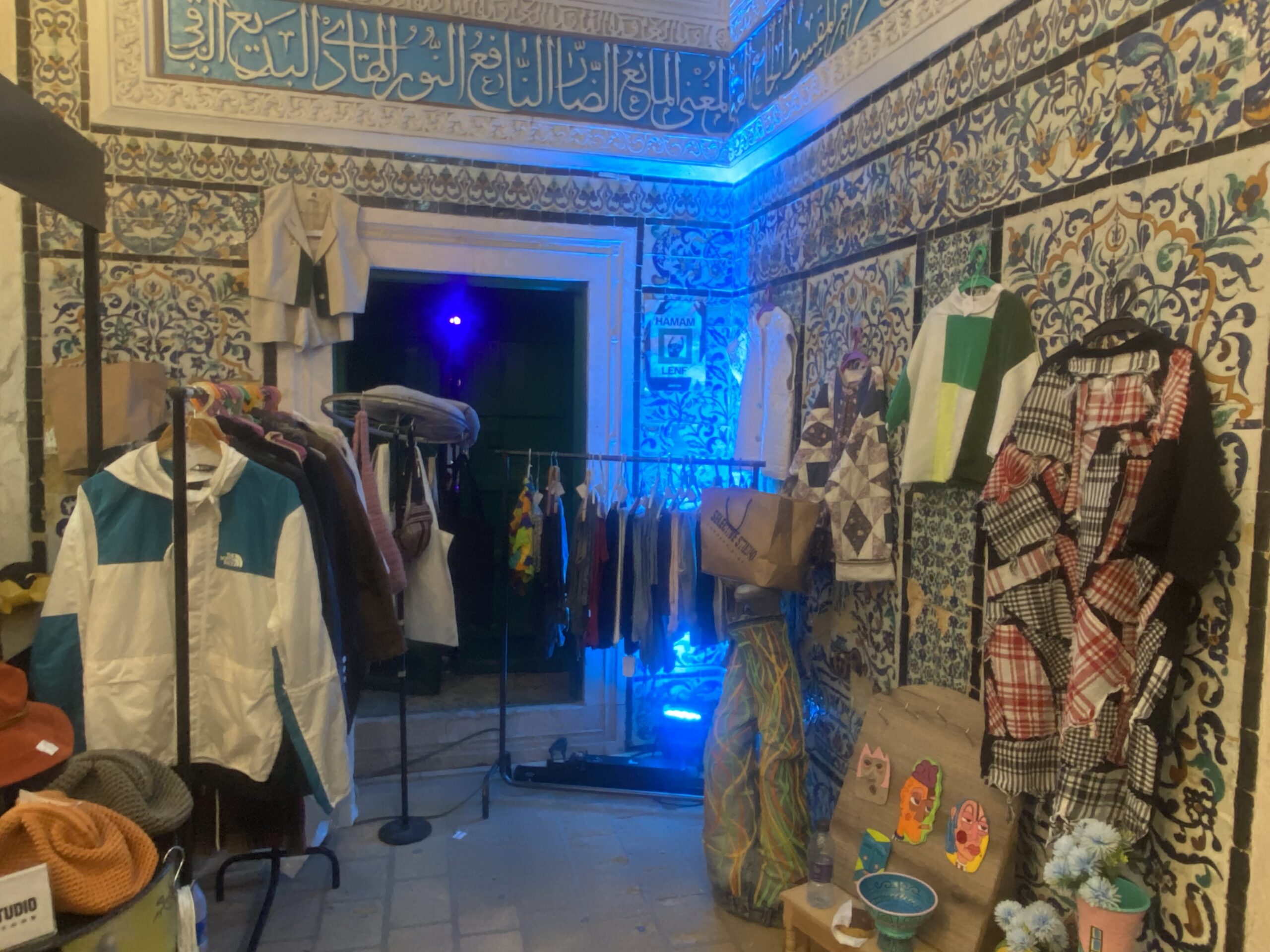
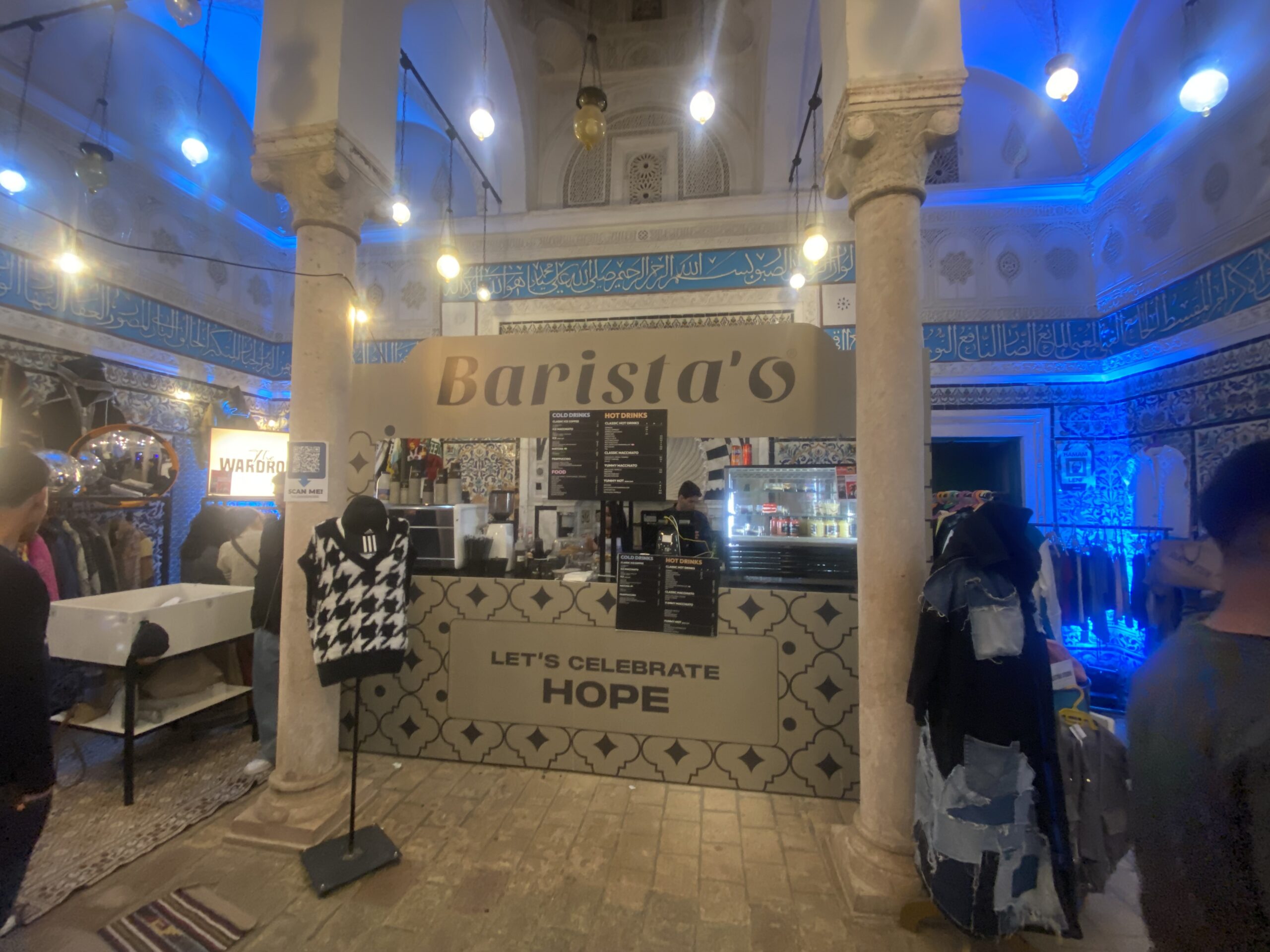
The space was an enormous contrast to the other events I attended during Ramadan, which usually focused on some aspect of local history, music, dance, etc. But I can’t say the installment surprised me, either, since it seems like most Tunisians my age have a curl routine, a skateboard, and can rap seamlessly along to Migos. Niche aspects of American culture are integrated seamlessly with Tunisian youth, and the holy month is no exception.
Vintage thrifting aside, the most important part of Ramadan was, obviously, the food. My most memorable iftars were with the family of my very first Tunisian friend, the family I tutor English for, and the family of my Tounsi teacher. After just a couple of weeks in Tunisia, I was certain that the country has the most hospitable people anywhere I’ve visited, and Ramadan only affirmed that. I even tried my own hand at Tunisian food and hospitality, and invited some friends over for nuasser, pasta-squares cooked by steaming them over vegetables and tomato sauce.
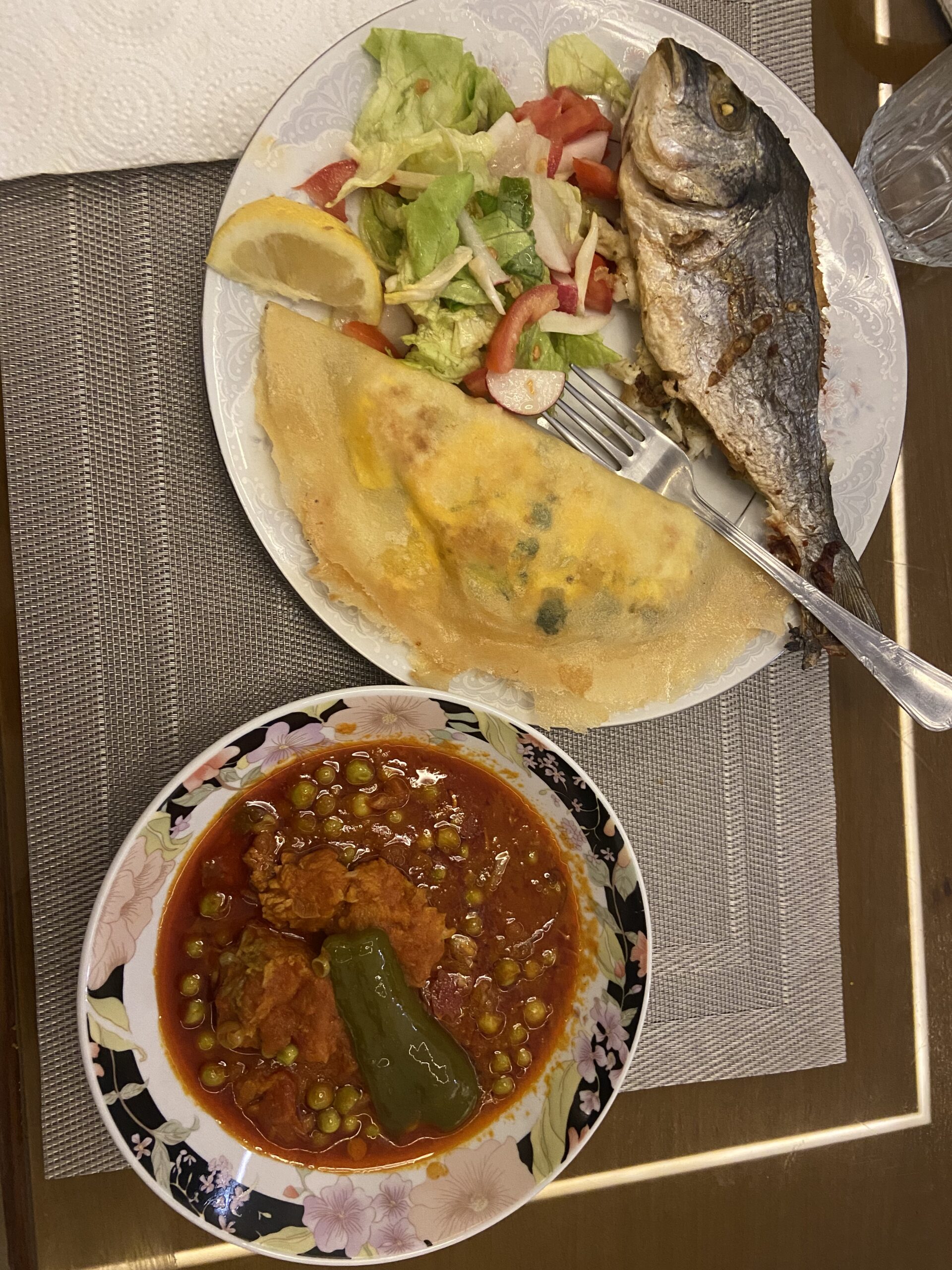
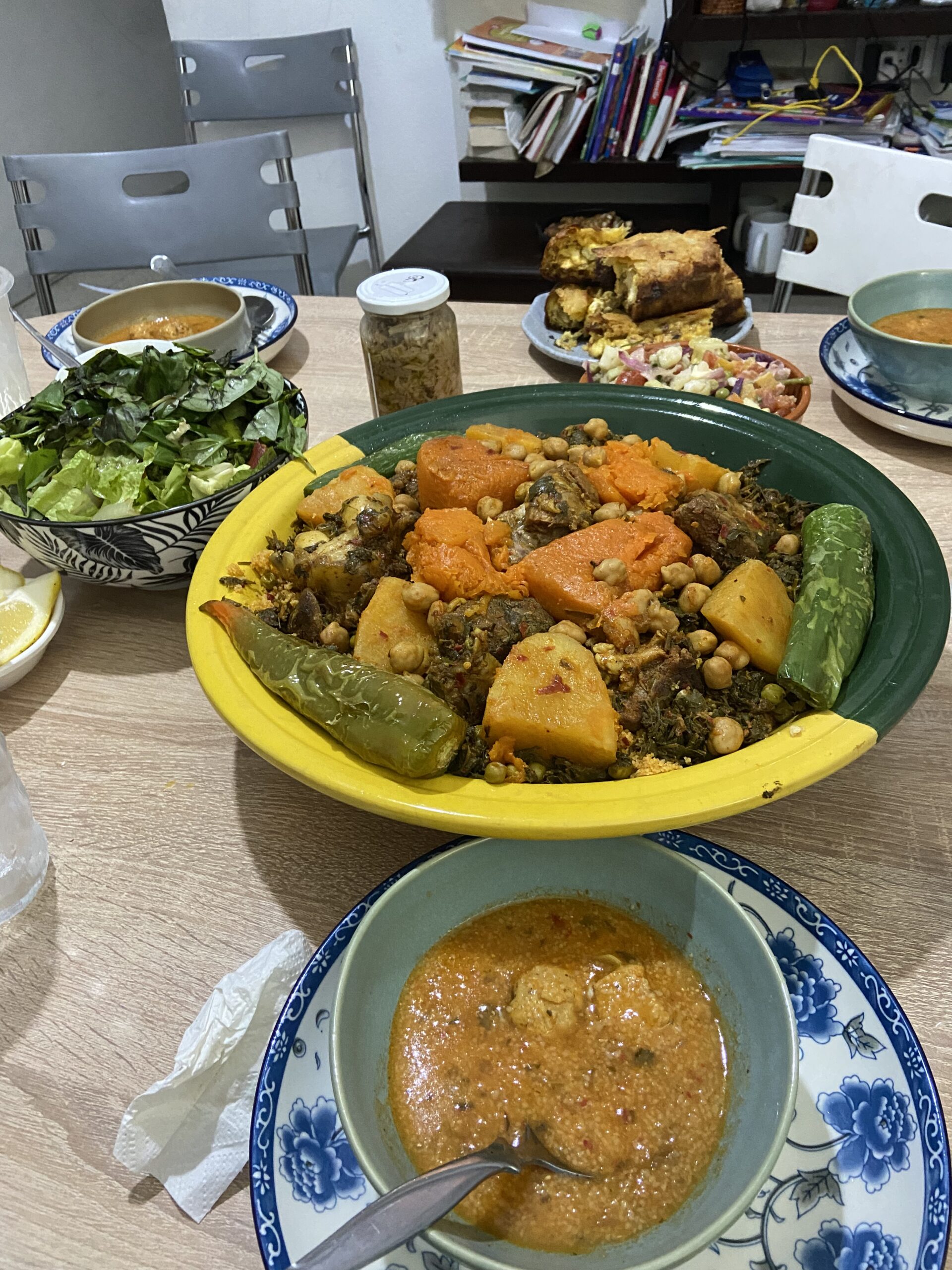
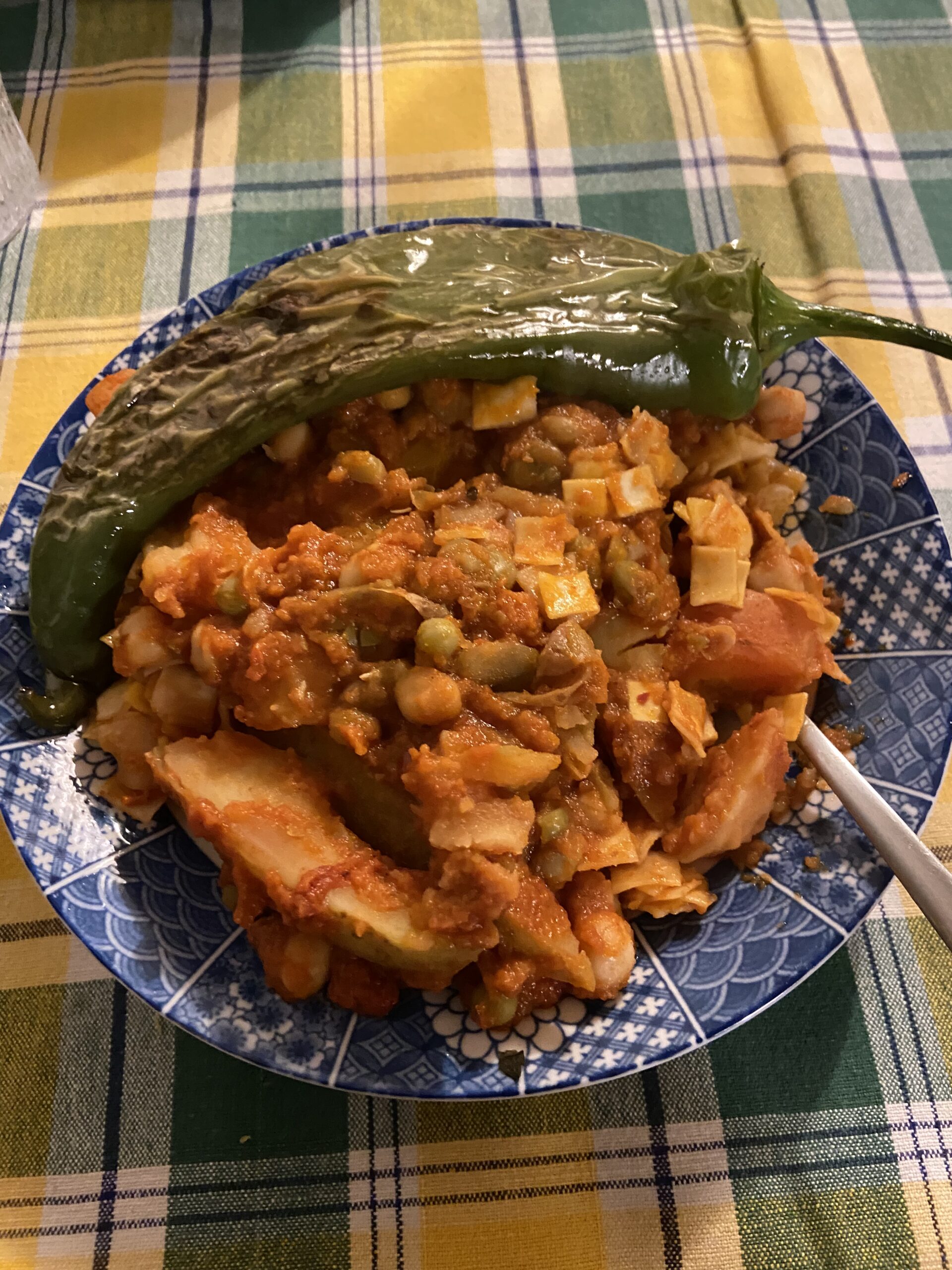
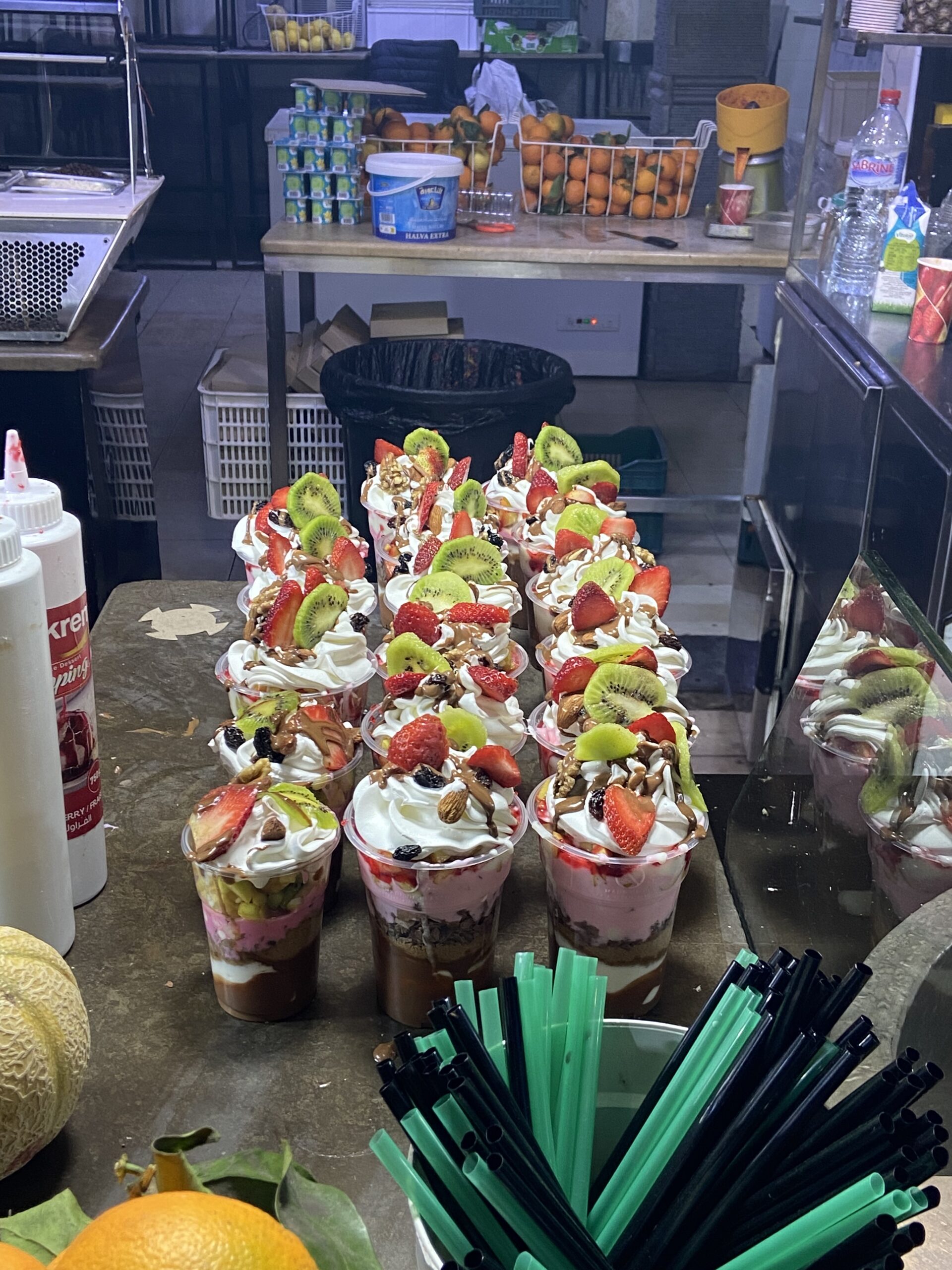
During these meals, I felt that my months of Tounsi classes finally paid off. I followed dinner conversations to varying degrees of success, and even managed to crack a few jokes. Unfortunately, I was still not up to the task of following the dialogue in Sahbek Rajel, the TV show that seems to air on every screen in the country during iftar.
As I would soon learn the hard way, perhaps the most important component of my Ramadan schedule was waking up at 5 am to stuff myself before sunrise, a ludicrous meal also known as suhoor. After a couple of weeks, I became very confident in “the whole Ramadan thing” and started skipping suhoor, preferring instead to sleep uninterrupted. Thus began my downfall.
When I stopped eating suhoor, my body—fine so far through almost three weeks of fasting—started to drag noticeably. Even after iftar in the evenings, the bursting fullness in my stomach hardly brought me back to life. And when I did gather enough energy to go to a concert or social event, I was motivated more by feeling obligated to “experience Ramadan” than by genuine excitement.
Around the same time, I began to seriously burn out of my work exchange at the language school. I was coming up on eight months there, and felt increasingly disconnected from my work. I had originally started out making blogs and testimonials, which was great because I genuinely enjoy writing and doing interviews. But a few months later, the director shifted the marketing strategy to short videos for social media, which, to be frank, I despise. After more than two weeks without properly-timed meals, my patience for this variety of shallow, attention-grabbing videos evaporated entirely.
So I quit and became a full-time bath-taking, cat-napping chess aficionado. I took my cue to pursue this course of action on March 16 when I awoke and, upon realizing I had to go to the institute, cried. In all fairness, it was not a particularly abrupt ending, as I had already told the director I was going to leave at the end of the month.
In an attempt to restore my health, I began eating suhoor again, but I never fully recovered to the level of the first weeks. And my 3 am-to-1 pm sleep schedule certainly wasn’t helping, either. A few days before the end of Ramadan, I decided that I was no longer enjoying the “social” (at this point, exceedingly secluded) experience of fasting, and I began eating normally. Within a week, I returned to Good Old Me. Good thing I was still in there somewhere.
As this month closes, I’m definitely still dizzy from the whole experience. On one hand, participating in Ramadan made me especially grateful for simple things like warm food, friends, and family. But I was also hopelessly unprepared for it, and I certainly paid the price. Luckily, I have an exciting chapter on the horizon that I hope will ground me again. Starting next month, I will be working on a farm in the south of the country. I’m excited to wake up early and kick off the day with a bit of weeding, adobe construction, and probably a bunch of other stuff that the owner, who doesn’t speak any English, explained to me over the phone. If nothing else, the experience will be the truest test of my Arabic so far.
Until next time,
Lucas